
Emergency Tyre Replacement
When a tyre is suddenly damaged, driving can become unsafe in seconds. A blowout, a deep sidewall cut, a tyre damaged by a pothole or a wheel that has been driven on while deflated can leave you unable to continue your journey. Sprinter Mobile Tyres helps drivers arrange emergency tyre replacement when a damaged tyre is no longer safe to use.
We support motorists across London, including South West London and Central London, as well as selected areas of Kent and Essex. Whether you are parked at home, outside your workplace or in another safe and accessible location, contact our team with your location and vehicle details so we can discuss the available replacement options.

When Does a Damaged Tyre Need Replacing?
Not every tyre problem has the same cause or requires the same solution. The important question is whether the tyre remains structurally sound and suitable for safe road use.
Some damage may be repairable following a proper inspection, while other defects mean the tyre must be replaced. A visual check alone cannot always reveal internal damage, particularly after a significant impact or driving on a severely underinflated tyre.
A tyre blowout or sudden loss of pressure
A blowout can damage the tyre beyond further use. You may notice a loud bang, a sudden change in steering, vibration or the vehicle pulling to one side. In some cases, the tyre may be visibly torn or partly separated from the wheel.
If this happens while driving, concentrate on maintaining control, ease off the accelerator and slow down gradually where possible. Avoid sudden braking or sharp steering. Move to a safe stopping place if you can do so without creating further danger.
Once you have stopped, do not assume the tyre can simply be inflated again. The tyre, wheel and surrounding components may need inspection before a suitable replacement can be fitted.
A bulge or serious cut in the sidewall
A bulge on the tyre sidewall can indicate damage to its internal structure. Deep cuts, exposed cords, tears and structural separation are also serious warning signs.
These defects are different from ordinary surface marks. A structurally damaged tyre can fail unexpectedly, even if it appears to retain some air pressure.
The UK government’s MOT inspection guidance identifies structural tyre damage, including certain bulges and exposed or damaged cords, as dangerous defects. If you notice a new bulge or serious sidewall damage, do not continue driving on the assumption that the tyre is safe.
Damage caused by a pothole or kerb impact
A strong impact against a pothole, raised road surface or kerb can damage a tyre even when the outside looks relatively intact. The impact may cause a sidewall bulge, a cut, a deformation or damage that is not immediately visible.
After a substantial impact, look for obvious changes from a safe position. If the tyre has lost pressure, developed a bulge or shows significant damage, stop using the vehicle until the problem has been assessed.
A damaged wheel or suspension component may also be responsible for some symptoms. Replacing the tyre alone will not resolve a separate mechanical fault, so further inspection may be necessary if the wheel or vehicle has also been affected.
A tyre that has been driven on while flat
Driving on a deflated tyre can cause additional damage. Without adequate air pressure, the sidewall flexes excessively, increasing stress on the tyre’s internal structure. This damage may not be obvious from the outside.
For that reason, reinflating a tyre does not automatically make it safe. If you have driven on it while flat or significantly underinflated, explain this when requesting assistance. It helps the technician understand the circumstances and assess whether a replacement is appropriate.
A tyre with severe wear or an unsafe defect
Tyres must meet the applicable legal requirements for tread depth, condition and suitability. For cars, light vans and light trailers, the legal minimum tread depth is 1.6 mm across the central three-quarters of the tread and around the entire circumference.
However, reaching the legal minimum is not the only reason a tyre may need attention. Cuts, structural damage, incorrect inflation and other defects can make a tyre unsafe before the tread reaches that limit.
What to Do If Your Tyre Is Damaged Unexpectedly
A sudden tyre problem can be stressful, particularly when you are travelling with passengers, heading to work or trying to reach an important appointment. Taking the right steps first can help protect you and other road users.
Step 1: Find a safe place to stop
If you are moving, slow down carefully and pull over where it is safe to do so. Avoid abrupt braking or steering.
Step 2: Make yourself visible.
Switch on your hazard warning lights when appropriate. Follow the relevant Highway Code guidance for your location and circumstances.
Step 3: Keep away from moving traffic
On a motorway or other high-speed road, follow the Highway Code's instructions for getting to a place of relative safety. If you cannot leave the vehicle safely, or you are stopped in a live traffic lane, follow official emergency guidance and contact the appropriate emergency service.
Step 4: Do not drive on a visibly unsafe tyre
A tyre with a serious cut, structural bulge, exposed cords or substantial damage should not be treated as safe simply because the vehicle can still move.
Step 5: Contact Sprinter Mobile Tyres
Tell us where the vehicle is, what happened and what vehicle you drive. We can discuss whether a suitable replacement is available and explain the next steps.
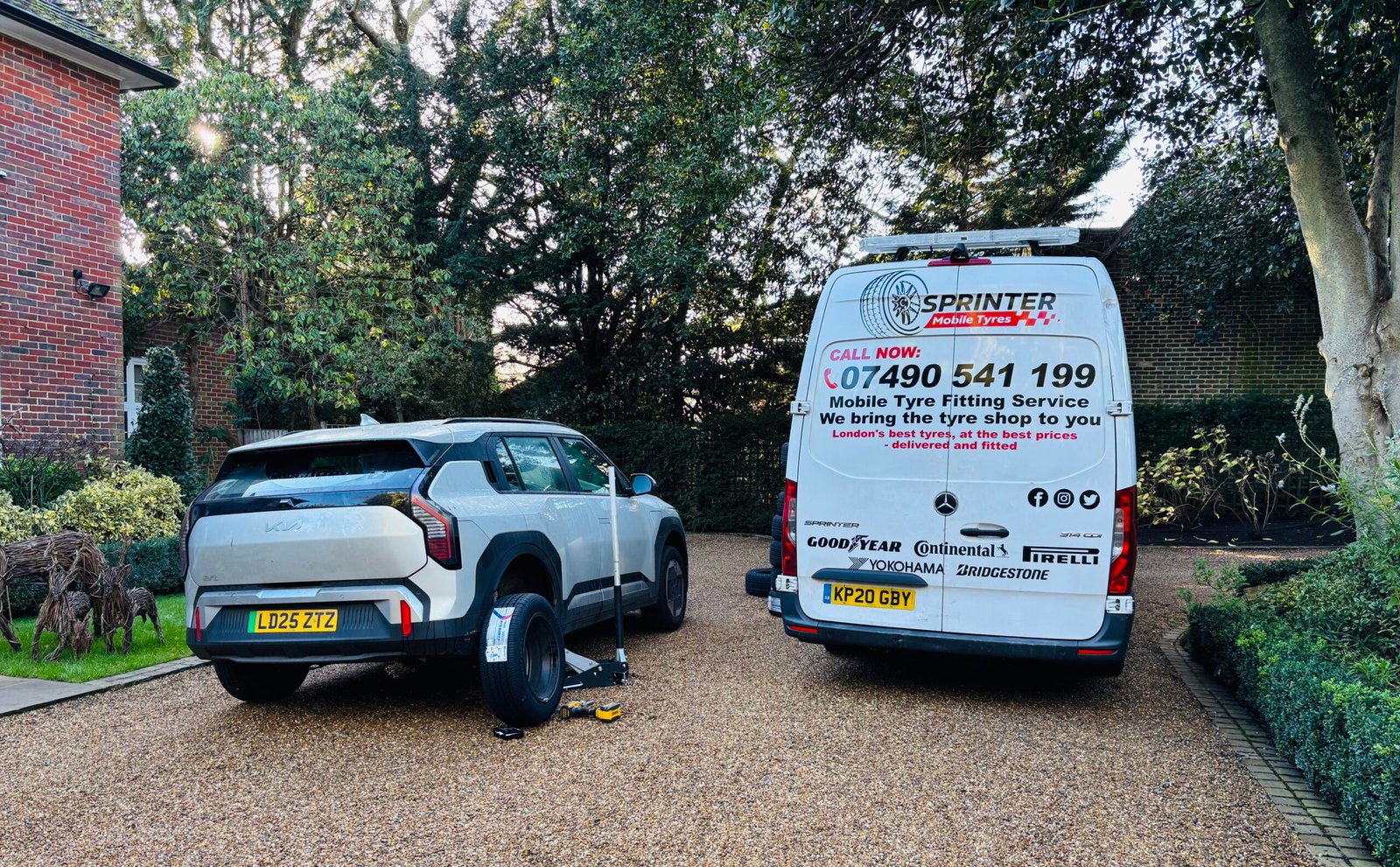
How Our Emergency Tyre Replacement Service Works
The aim is to help you understand what is needed before a technician attends. The exact process depends on the vehicle, the nature of the damage, the location and the availability of a compatible tyre.
01
Tell us where you are
Call 07490 541199 and provide your postcode or a clear location description. If you are parked in a car park, outside a property or at a workplace, explain any access restrictions that could affect the job.
02
Explain the damage
Describe what happened as clearly as possible. For example, tell us whether the tyre burst while driving, developed a bulge after hitting a pothole, was cut by an object or lost pressure after an impact.
03
Share your vehicle and tyre details
Once the vehicle and tyre requirements are understood, ask about suitable products, availability and the total quoted cost. Confirm what is included in the fitting service and whether any additional work or charges may apply.
04
Confirm the quote and availability
Before proceeding, ask for confirmation of the total expected cost, including the replacement tyre, fitting, call-out and any additional charges that may apply. The final price can depend on the tyre specification, vehicle requirements, location and stock availability.
05
Arrange the replacement
The technician will need suitable working space and a safe location to carry out the work. If the vehicle is in an unsafe position, access is restricted or the wheel has sustained additional damage, the original plan may need to change.
06
Check the vehicle before continuing your journey
After the replacement, follow any instructions provided by the technician and vehicle manufacturer. If you notice continued vibration, steering problems, warning lights or other unusual symptoms, do not ignore them. These may indicate a separate issue that requires further assessment.
Getting the Correct Replacement Tyre for Your Vehicle
Choosing a replacement involves more than matching a tyre’s diameter. Tyres are designed for particular vehicle requirements, and the correct specification matters for handling, load capacity and safe operation.
Understand the tyre size
- 205 indicates the nominal tyre width in millimetres.
- 55 is the aspect ratio, expressing the sidewall height as a percentage of the width.
- R indicates radial construction.
- 16 is the wheel diameter in inches.
- 91 is the load index.
- V is the speed symbol.
Consider load index and speed rating
The load index identifies the load capacity assigned to a tyre under specified conditions. The speed symbol indicates its rated speed category. Both must be considered alongside the vehicle manufacturer’s requirements and applicable regulations.
A tyre that appears to fit the wheel may still be unsuitable if its specification is incorrect. This is particularly important for heavier vehicles, vans carrying loads and vehicles with manufacturer-specific requirements.
Choose a suitable tyre type
Depending on your vehicle and requirements, options may include summer, winter or all-season tyres, as well as particular construction types or manufacturer-approved specifications.
The best option depends on the vehicle, the existing tyre configuration, driving conditions, budget and availability. Where a vehicle has different requirements for front and rear tyres, or uses a specialist setup, these details should be confirmed before a replacement is selected.
Check the vehicle manufacturer's guidance
The handbook, tyre placard and other manufacturer information can help establish the appropriate size and specification. If your vehicle has an unusual wheel setup, a modified suspension, run-flat tyres or a tyre pressure monitoring system, mention this when requesting a quote.
The priority is a suitable, compliant replacement—not simply the quickest available tyre with a similar size marking.
Correct tyre pressure is important for vehicle safety and tyre performance. The appropriate pressure depends on the vehicle manufacturer’s specification and the load being carried.
After fitting, follow the vehicle manufacturer’s guidance on tyre pressures and any relevant monitoring-system instructions. The applicable checks should be carried out as part of the agreed work

How Much Does Emergency Tyre Replacement Cost?
- Tyre size and specification: Some sizes and specialist fitments cost more than standard options.
- Tyre brand and product range: Premium, mid-range and budget options may have different prices.
- Vehicle requirements: Run-flat tyres, specialist fitments and certain vehicles may require additional consideration.
- Location and access: The distance to the vehicle and the safety or accessibility of the working location may affect the service arrangements.
- Additional damage: A damaged wheel or another mechanical issue may require further assessment or a separate service
- Stock availability: Your preferred brand or specification may not be immediately available.
Emergency Tyre Replacement Across London, Kent and Essex
Sprinter Mobile Tyres serves drivers across London, Kent and Essex, subject to postcode coverage, technician availability, vehicle requirements and suitable tyre stock. Our listed London service areas include the following locations.
South West London
South West London
- Battersea
- Clapham
- Wandsworth
- Chelsea
- Tooting
- Balham
- Fulham
South London
- Brixton
- Streatham
- Kennington
Central London
- Westminster
Kent
We cover selected locations across Kent. Contact us with your postcode to confirm whether your address is within the current service area and whether the required replacement is available.
Essex
We also serve selected locations across Essex. Share your exact location and vehicle details so we can check coverage and discuss the available arrangements.
Why Clear Information Matters During an Urgent Tyre Problem
When your vehicle cannot safely continue, you need practical information rather than vague promises. A useful service conversation should establish the location, vehicle specification, type of damage, price and availability before the work proceeds.
At Sprinter Mobile Tyres, the first step is to understand the problem and the circumstances surrounding it. Providing accurate vehicle details helps us discuss the right replacement options and identify any requirements that could affect the job.
We recommend confirming the following before agreeing to a visit:
- The tyre specification being supplied.
- The total expected price and any additional charges.
- Whether the tyre is available.
- The location where the work can safely be carried out.
- The expected attendance arrangements.
- Whether any visible wheel or vehicle damage may require further assessment.
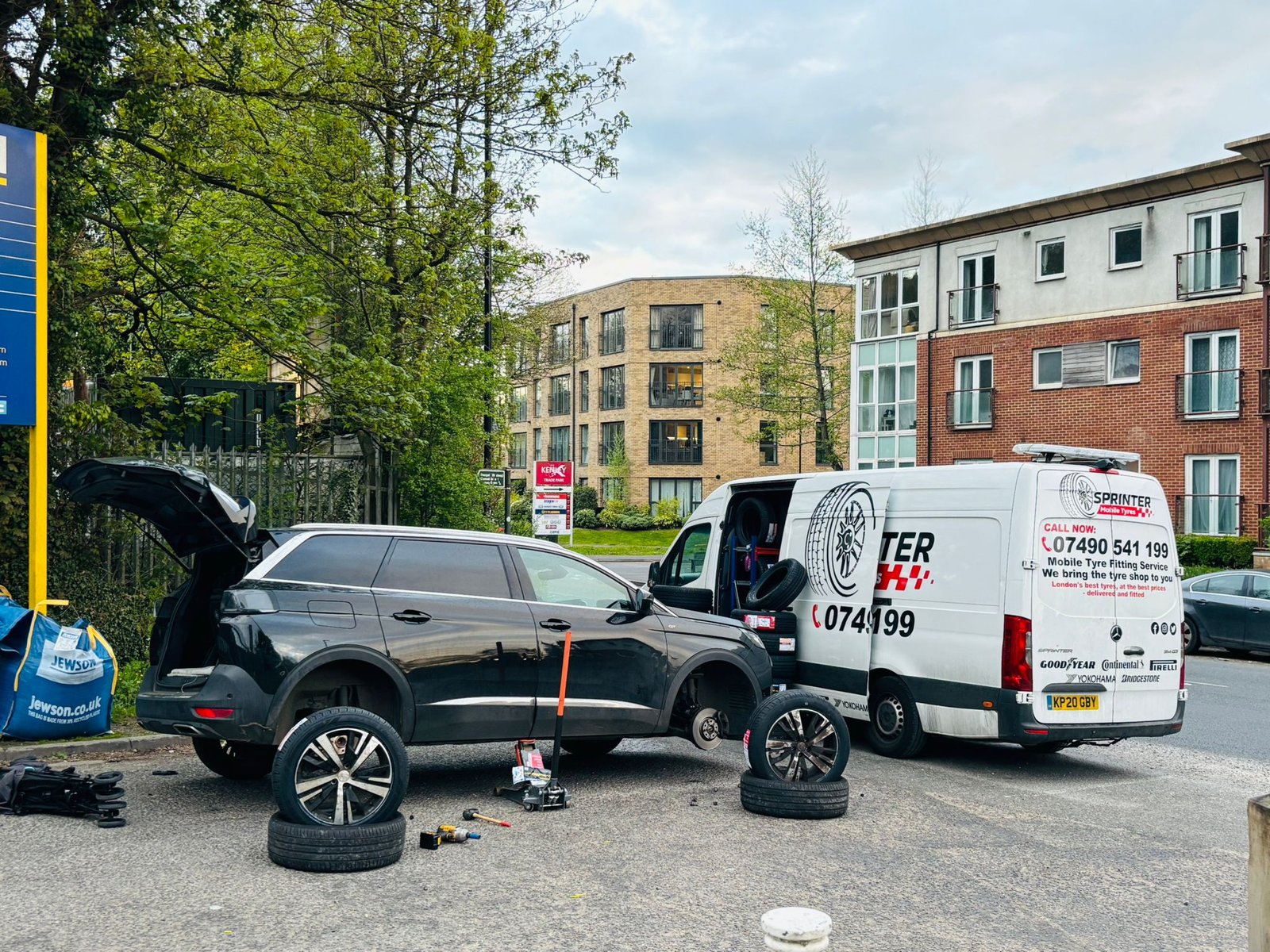
Frequently Asked Questions
Emergency tyre replacement is the replacement of a tyre that has become unsafe or unusable unexpectedly. Common causes include a blowout, severe impact damage, a sidewall defect or damage caused by driving on a deflated tyre. The appropriate solution depends on the tyre’s condition and the vehicle’s requirements.
A replacement may be possible if the location is covered, a suitable tyre is available and the work can be carried out safely. Pothole impacts can also damage wheels or suspension components, so additional inspection may be needed if the vehicle shows other symptoms.
A sidewall bulge can indicate structural damage and should be treated seriously. Do not assume the tyre is safe because it is still inflated. Avoid driving on it and arrange a professional assessment from a safe location.
Not necessarily. The correct decision depends on the cause of the pressure loss, the location and extent of any damage, and whether the tyre’s internal structure remains sound. A tyre that has been driven on while deflated may have internal damage that is not obvious from the outside. A proper assessment is needed before deciding whether it can be used again.
Provide your postcode or exact location, vehicle make and model, tyre size if known, the position of the damaged tyre and a description of what happened. Photos may help show visible damage, but they cannot always reveal internal defects.
Contact us with your vehicle details and registration if available. These details may help identify the required specification, but the final selection should be confirmed against the vehicle’s approved tyre requirements.
Availability depends on the required size, specification, brand and current stock. Tell us your preference when requesting a quote. If an alternative is suggested, confirm that it is suitable for your vehicle before agreeing to the replacement.
Attendance depends on your location, current workload, traffic, access conditions and whether a compatible tyre is available. Contact Sprinter Mobile Tyres on 07490 541199 for a location-specific availability check. We do not recommend relying on an unconfirmed arrival time.
No. Legal tread depth is only one part of tyre safety. A tyre may still be unsafe because of a structural bulge, a serious cut, exposed cords, incorrect inflation or another defect. The vehicle must be roadworthy in its overall condition.
Request Emergency Tyre Replacement from Sprinter Mobile Tyres
A damaged tyre can interrupt your day, but making an informed decision can help you get the right solution without unnecessary risk. If your tyre has suffered a blowout, serious impact damage or another defect that makes it unsafe to use, contact Sprinter Mobile Tyres to discuss the next steps.
